Wedding Terminology: A Comprehensive Guide for the Newly Engaged Couple
Wedding Terminology: A Comprehensive Guide for the Newly Engaged Couple
Congratulations, you’re engaged! Along with the excitement comes a whole new vocabulary you probably didn’t know you needed. Vendors, planners, and wedding websites will start throwing around terms like “boutonniere,” “escort card,” and “first look” as if you already speak the language. Don’t worry — here’s your cheat sheet to wedding terminology, broken down by category so you can walk into every planning conversation feeling confident.
Planning & Logistics Terms
Save the Date: An early notice sent to guests, typically 6–12 months before the wedding,
letting them know the date before the formal invitation goes out.
Day-of Coordinator: A planner hired specifically to manage the wedding day itself, ensuring everything runs on schedule so the couple and family can be present rather than problem-solving.
Full-Service Planner: A planner involved from the very beginning of the process, helping with everything from budget to vendor selection to design.
RSVP: French for “répondez s’il vous plaît” (please respond), referring to a guest’s confirmation of attendance.
Escort Cards vs. Place Cards: Escort cards are displayed at the entrance of the reception and tell guests which table they’re seated at; place cards are set at the individual place setting and indicate the exact seat.
Cocktail Hour: The period between the ceremony and reception, typically featuring drinks and light appetizers while the couple takes photos.
First Look: A private, pre-ceremony moment where the couple sees each other for the first time that day, often used as an opportunity for photos before the ceremony begins.
Ceremony Terms
Officiant: The person who legally performs the marriage ceremony — this could be religious clergy, a judge, or a friend/family member ordained for the occasion.
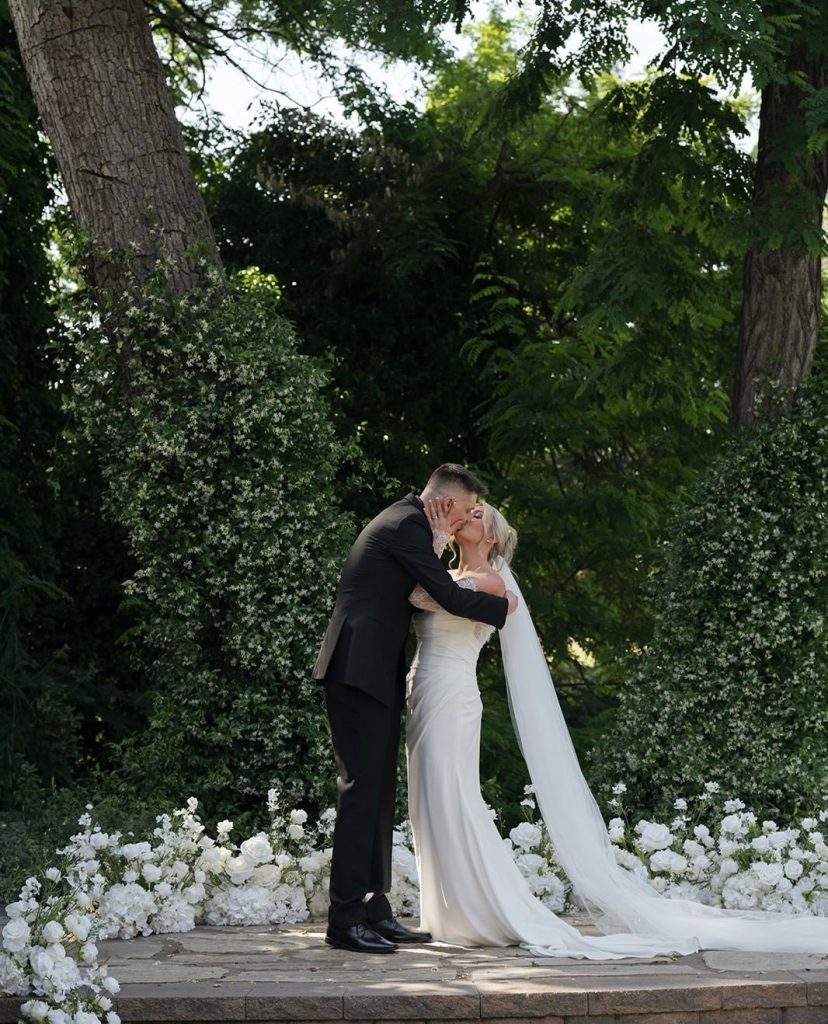
Processional: The order in which the wedding party and couple walk down the aisle at the start of the ceremony.
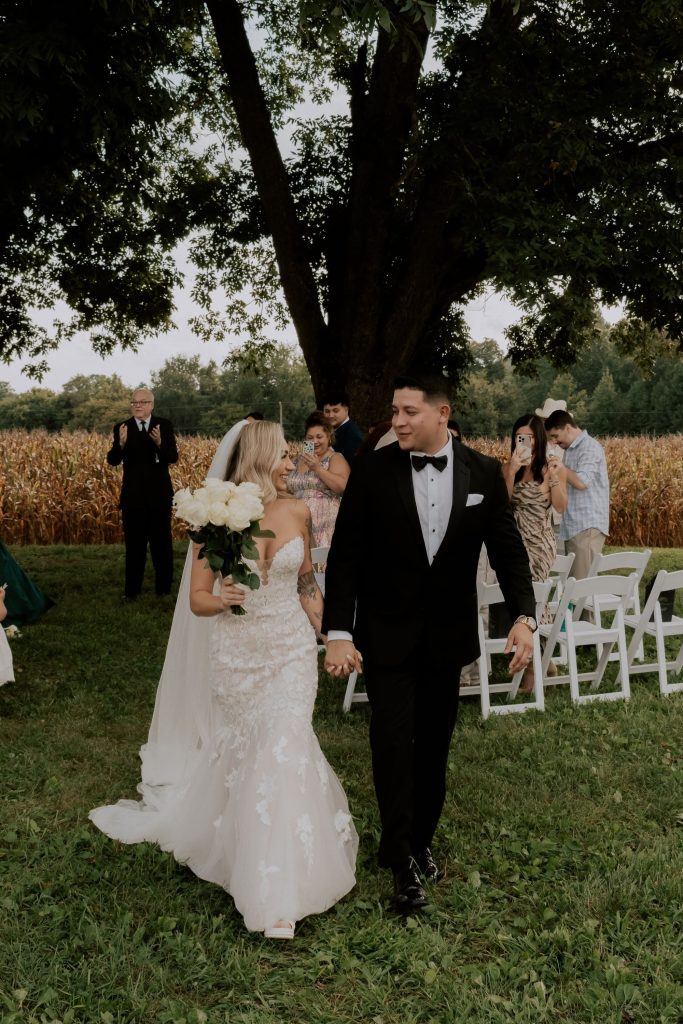
Recessional: The order in which the wedding party and couple walk back up the aisle after the ceremony concludes.
Unity Ceremony: A symbolic ritual performed during the ceremony to represent the joining of two families or individuals, such as a unity candle, sand ceremony, or handfasting.
Officiant Script: The written outline of everything said during the ceremony, often customized by the couple and officiant together.
Attire Terms
Boutonniere: A small floral arrangement worn on the lapel, typically by the groom,
groomsmen, and other honored male guests.
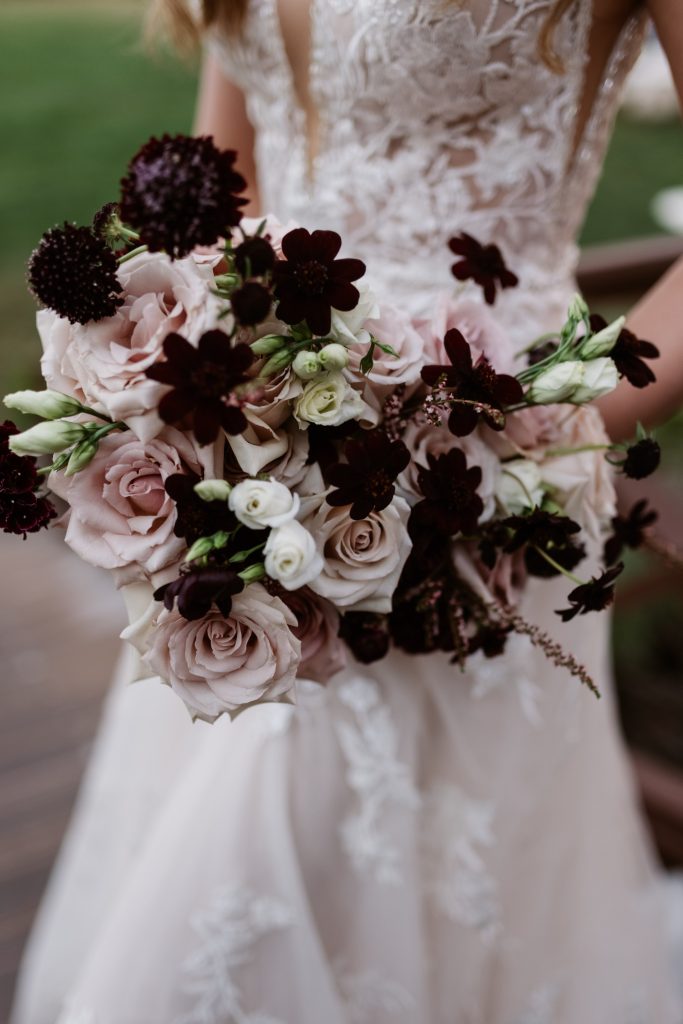
Bouquet: The flower arrangement carried by the bride and bridesmaids.
Trousseau: A somewhat old-fashioned term referring to the bride’s collection of clothing, accessories, and linens gathered in preparation for married life.
Bustle: A method of pinning or tying up the train of a wedding dress after the ceremony so the bride can move more freely at the reception.
Reception Terms
Head Table: The table where the couple (and sometimes the wedding party) sits during the reception.
Sweetheart Table: A small table just for the couple, separate from the rest of the wedding party.
First Dance: The couple’s first dance as a married pair, typically taking place early in the reception.
Grand Entrance: The formal introduction of the wedding party and couple into the reception space, often set to music.
Send-Off: The final farewell moment as the couple exits the wedding, often accompanied by sparklers, flower petals, or bubbles.
Financial & Contract Terms
Retainer: An upfront deposit paid to a vendor to secure their services for your date.
Contingency: A backup plan or clause in a vendor contract, often addressing weather or emergencies.
Force Majeure Clause: A contract clause that outlines what happens if unforeseeable circumstances (natural disasters, extreme weather, etc.) prevent the wedding from happening as planned.
Gratuity: A tip, often built into vendor contracts or given separately, as a thank-you for service.
Design & Décor Terms
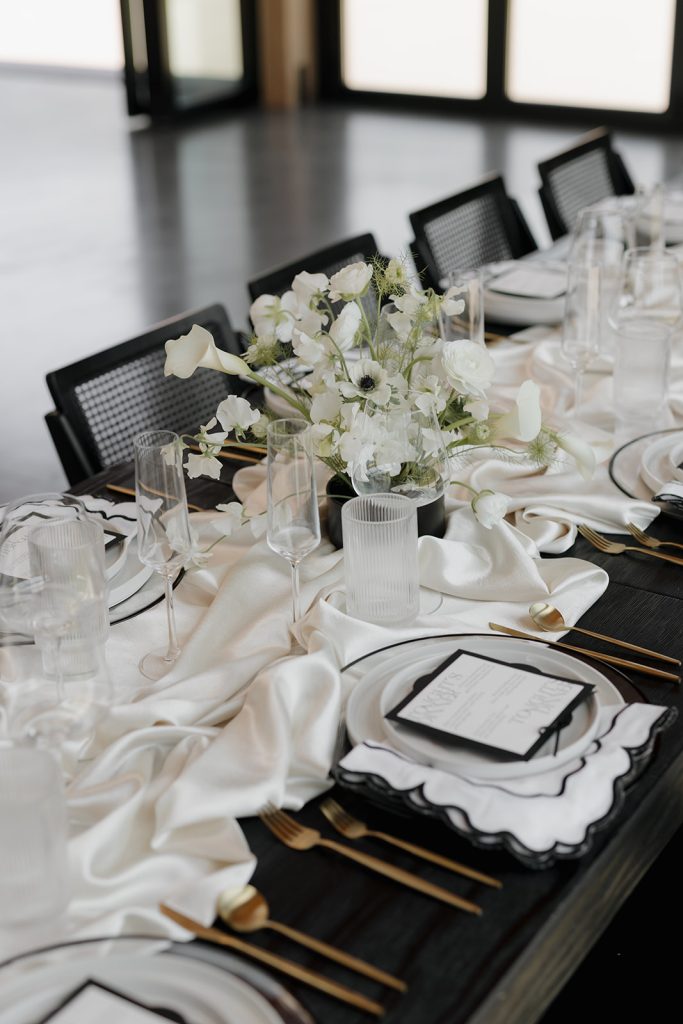
Tablescape: The overall visual design of a reception table, including linens, centerpieces, place settings, and decor.
Charger Plate: A decorative, oversized plate placed under the dinner plate purely for aesthetic purposes; it’s typically removed before the meal is served.
Mood Board: A visual collage of colors, textures, and inspiration images used to communicate a wedding’s overall design aesthetic to vendors.
Signage: Decorative signs used throughout a wedding, such as welcome signs, seating charts, or menu displays.
The Bottom Line
Wedding planning comes with its own language, but once you’ve got the basics down, conversations with vendors and planners become a lot less overwhelming. Bookmark this glossary and refer back to it any time a new term pops up — before long, you’ll be speaking fluent “wedding” without even thinking about it.